Botanical Seamless Ornate Border. Floral
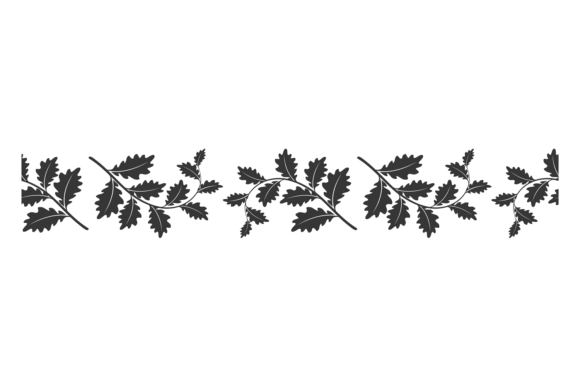
A botanical seamless ornate border. floral is a type of decorative design that combines intricate botanical elements with elegant, repeating patterns to form a continuous edge or frame. These borders are often used in graphic design, print media, and digital projects where visual appeal meets functionality. Whether you're looking to enhance the look of your invitations, packaging, website headers, or marketing materials, a well-crafted floral ornate border can make a significant difference.
Real-World Uses for Botanical Borders
Imagine you're designing a brochure for a local florist. You want it to feel fresh, inviting, and professional. A botanical seamless ornate border. floral adds a touch of sophistication without overwhelming the content. It subtly frames each section, guiding the reader's eye and reinforcing the brand’s natural aesthetic.
Or perhaps you're creating custom wedding invitations. Here, the right floral border can elevate the overall design from simple to stunning. With options in EPS, JPG, SVG, and transparent PNG formats, you can easily scale and place the border without worrying about pixelation or file compatibility. The ornate details give the design a classic, handcrafted feel that many couples desire for their big day.
Industries That Rely on Botanical Borders
- Wedding Industry: Invitations, programs, signage — all benefit from the timeless charm of floral borders.
- Floral and Garden Businesses: Use them in logos, product labels, social media posts, and more to maintain a cohesive theme.
- Interior Design: Incorporate these borders into digital mood boards, fabric swatches, or wallpaper mockups to add a refined, nature-inspired edge.
- Print Media & Publishing: Book covers, calendars, greeting cards, and even magazine layouts can feature botanical borders for a decorative yet professional finish.
- E-commerce & Packaging: Online shops selling organic products, candles, or handmade goods use these borders to create branded packaging that stands out while feeling earthy and elegant.
How Different Users Benefit from This Design Element
Graphic designers appreciate the versatility of botanical seamless ornate borders. They offer an easy way to inject personality into a project without having to draw every detail manually. For those who work across multiple platforms, having access to vector formats like SVG or EPS means they can adjust the size and color of the border without losing quality.
Crafters and DIY enthusiasts love using these borders for scrapbooking, card making, or home decor. The transparency of PNG files allows for seamless integration with photographs or other layered designs. In fact, many online tutorials recommend using such borders to frame photos or highlight key areas in handmade projects.
Business owners, especially in niche markets like wellness, eco-friendly products, or artisanal crafts, find these borders invaluable for branding. A consistent use of botanical elements helps build a recognizable identity that resonates with their target audience. Think of how a yoga studio might use a floral border on their flyers to evoke calm and connection with nature.
Practical Applications Across Formats
When working with EPS files, professionals get full control over the design — perfect for printing at high resolution or editing individual elements. JPG versions are great for web use or quick printouts where scalability isn't a concern. SVG allows for dynamic resizing and color changes, which is ideal for digital assets like websites or animations. And transparent PNGs? Those are the go-to choice when blending the border with images or complex backgrounds.
Here’s a practical example: If you're designing a newsletter for a botanical garden, you might use an SVG version of a floral decorative pattern as a repeating header. It adapts perfectly to screen sizes and looks crisp on both mobile and desktop. Another case could be a small business owner who wants to print custom coasters for their boutique. An EPS file ensures the border remains sharp and detailed even when printed in large quantities.
Considerations Before Choosing a Botanical Border
Before selecting a botanical seamless ornate border. floral, there are several factors to keep in mind:
- Style Consistency: Make sure the border complements the rest of your design. A busy, overly ornate border may clash with a minimalist layout.
- Color Scheme: Choose a border that aligns with your brand colors or the palette of your project. Some borders come in various color variations, while others are easily editable in vector format.
- File Format Needs: Consider where and how you’ll be using the border. Digital projects may prefer SVG or PNG, whereas print jobs usually require EPS or high-resolution JPG.
- Resolution and Scaling: If the border will be used on physical items like banners or posters, ensure the chosen file supports high resolution to avoid blurry edges.
- Licensing: Always verify the usage rights of any downloadable asset. Some borders may be free for personal use but require a commercial license if you plan to sell products featuring them.
Strengths and Limitations
One of the biggest strengths of a botanical seamless ornate border. floral is its adaptability. These borders can be found in a wide range of styles — from delicate wildflowers to bold tropical leaves — allowing users to match their specific needs. Additionally, because they’re seamless, they wrap around edges smoothly, avoiding awkward breaks or overlaps that can ruin the aesthetics of a layout.
However, there are limitations. Highly detailed borders can sometimes compete with the main content, especially if not placed thoughtfully. Also, not all borders are suitable for every project. A romantic rose border might not fit a tech startup’s vibe, just as a modern geometric border would clash with a rustic farmhouse theme. It’s important to choose one that aligns with your message and target audience.
Design Tips for Using Botanical Borders Effectively
When incorporating a floral decorative pattern into your design, consider the following tips to maximize its impact:
- Balance is Key: Don’t let the border overpower the content. Use it to frame or accent rather than fill the entire space.
- Layer Thoughtfully: If using a transparent PNG border, experiment with layering it over textures or subtle background gradients for added depth.
- Match the Tone: A vintage-style border works wonders for heritage brands, while a clean, modern floral pattern suits contemporary designs better.
- Test Print Quality: If your project involves physical prints, always check the border’s clarity at different scales before finalizing.
- Stay Organized: Keep your design layers separated when working digitally. This makes future edits easier and ensures the border doesn’t interfere with text or other graphics.
Another consideration is the context of the design. A botanical border might be used differently in a children’s book compared to a luxury perfume label. In the former, it could serve as playful decoration; in the latter, it might convey exclusivity and elegance. Understanding this nuance helps you select the right border for the right purpose.
Where to Find and How to Use Botanical Borders
Many design platforms and marketplaces offer botanical seamless ornate borders. floral in various file types. When browsing, look for terms like "seamless," "ornate," and "floral" to narrow your search. Reading user reviews can also help identify high-quality assets that perform well in different applications.
If you're new to using these borders, start by downloading a transparent PNG version and experimenting with it in your favorite design software. Try placing it along the top and bottom of a flyer, or wrapping it around a logo. Once you're comfortable, explore vector-based formats like SVG or EPS for more flexibility.
For instance, if you're using Adobe Illustrator, an SVG file can be edited stroke-by-stroke, giving you the freedom to adjust line weights or change colors. In contrast, if you're using Canva or another drag-and-drop tool, a PNG or JPG might be more straightforward and reliable.
Customization Options
Some designers prefer to modify existing borders to suit their needs. With vector files, this is entirely possible. You can remove certain plant elements, adjust spacing between repeats, or re-color the entire pattern to match your brand’s palette. This level of customization is particularly useful when aiming for a unique look while still benefiting from the efficiency of pre-made designs.
Others might combine multiple borders to create a more complex look. A common technique is to overlay two different floral borders at varying opacities to add dimension. Just be cautious not to overdo it — simplicity often has a stronger visual impact than clutter.
Botanical Borders in Web Design
In web design, a floral decorative pattern isolated on a white background can be used creatively. For example, it might serve as a subtle divider between sections of a page or as a background for a call-to-action box. Because the pattern is seamless, it tiles effortlessly, providing a cohesive look without distracting from navigation or readability.
Web developers might embed an SVG version directly into HTML code for responsive behavior. This means the border adjusts dynamically to different screen sizes, maintaining its integrity across devices. Meanwhile, marketers can use transparent PNGs for pop-up ads or landing pages, ensuring the border blends well with the site’s existing visuals.
A good rule of thumb is to use floral borders sparingly in digital spaces. Too much ornamentation can slow down load times and confuse users. But when applied correctly, they can enhance the perceived quality and professionalism of a website.
Printing and Physical Media
When it comes to physical media like brochures, posters, or packaging, a botanical seamless ornate border. floral adds a tactile element of beauty. High-quality EPS files are preferred here because they allow for precise scaling and clean lines during printing. If you're working with a designer or printer, always confirm the recommended resolution and format to ensure the best results.
For event planners, these borders are a staple. They might appear on table runners, program covers, or backdrop designs. A repeatable floral pattern gives a sense of continuity and grandeur, especially in larger installations where consistency is crucial.
Conclusion
The botanical seamless ornate border. floral is more than just a pretty addition to a design — it’s a functional and expressive tool that can enhance everything from wedding stationery to corporate presentations. Its real-world value lies in its ability to blend artistry with usability, offering a refined solution for creators across industries. By understanding its uses, considering its limitations, and applying it thoughtfully, you can transform your projects with the grace and charm of botanical art.