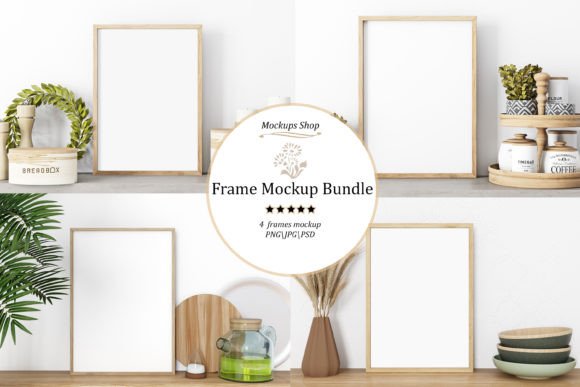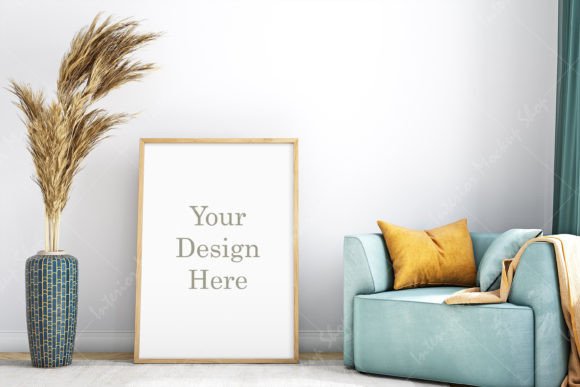
Horizontal Frame Mockup: A Versatile Tool for Artists and Designers
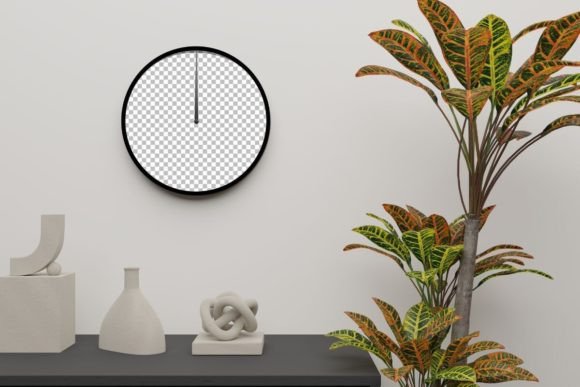
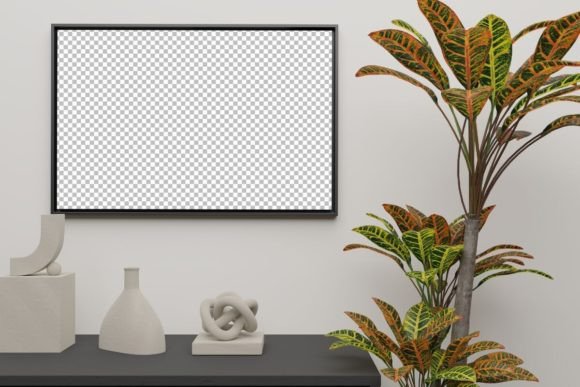
The horizontal frame mockup is a digital tool that allows artists, photographers, and designers to visualize how their work will look when framed. Specifically, the black horizontal frame mockup in a modern setting presents a sleek and minimalist design, making it ideal for showcasing high-quality artwork without overwhelming it with visual clutter. This type of mockup typically includes a transparent or customizable area where users can insert their own images, logos, or designs to see them in context.
Why Consider a Horizontal Frame Mockup?
Artists and creatives often seek ways to present their work professionally before finalizing prints or sending proposals to clients. The horizontal frame mockup provides an efficient solution by simulating real-world framing scenarios digitally. It eliminates the need for physical prototypes and allows for quick adjustments and iterations. For professionals in the creative industry, this means faster turnaround times and more polished presentations.
Moreover, the modern aesthetic of a black horizontal frame mockup complements a wide range of art styles—from abstract paintings to clean graphic designs. Its neutral tone ensures that the focus remains on the artwork itself, rather than the frame. This makes it especially useful for those who want to maintain a consistent color palette or brand identity in their portfolio displays.
Key Benefits of Using a Horizontal Frame Mockup
- Time Efficiency: Digital mockups streamline the presentation process, allowing you to showcase multiple variations quickly without printing each one.
- Cost-Effectiveness: Avoid the expense of physical frames during the design and evaluation phase.
- Customization: Many horizontal frame mockups come with editable layers, enabling you to change colors, textures, and even the lighting environment to match your vision.
- Client Presentations: Use these mockups to give potential clients a realistic view of how their artwork will appear once framed, increasing confidence in the final product.
- Portfolio Enhancement: Incorporating mockups into your online portfolio helps demonstrate your ability to present work in a professional and aesthetically pleasing manner.
Potential Tradeoffs and Considerations
While the horizontal frame mockup offers many advantages, there are some limitations to consider. First, not all mockups provide the same level of realism. Lower-quality assets may distort the image or fail to capture the depth and texture of actual framing materials. Always choose mockups with high-resolution textures and accurate lighting effects for the most convincing results.
Another consideration is the technical skill required to use mockups effectively. Basic knowledge of photo editing software like Photoshop is usually necessary to insert your artwork and adjust elements such as shadows, reflections, and angles. Beginners may need to invest time in learning these tools or opt for user-friendly platforms with drag-and-drop features.
Additionally, while mockups can be a great aid in visualization, they should not replace physical testing entirely. Some clients may still prefer seeing a printed sample in a real frame before making a decision. Therefore, it's wise to treat mockups as part of a broader presentation strategy rather than the sole method of showcasing your work.
Situations Where It’s a Strong Fit
A black horizontal frame mockup is particularly well-suited for several scenarios:
- Interior Design Concepts: When designing for modern spaces, the minimalistic black frame blends seamlessly into contemporary décors. It allows you to experiment with different wall arrangements and color schemes easily.
- Graphic Design Projects: If you're creating posters, banners, or other large-format graphics, using a horizontal frame mockup can help you understand how your design will translate into a physical format.
- Photography Portfolios: Photographers looking to display their work in a gallery-style format benefit from the clarity and elegance of a horizontal frame, which emphasizes composition and detail.
- Product Photography: E-commerce businesses and product photographers can use these mockups to show framed artwork as a product, helping buyers envision how it might fit into their home or office space.
When Alternatives Might Be Better
Although the horizontal frame mockup is versatile, it isn’t always the best option. Here are some instances where alternative solutions could be worth exploring:
- Vertical Artwork: If your primary work involves vertical compositions—such as portraits or tall illustrations—a horizontal frame may not provide an accurate representation. In such cases, using a vertical mockup would be more appropriate.
- Highly Textured Frames: Some physical frames have intricate details or deep textures that are difficult to replicate in a digital mockup. If you're working with ornate or vintage-style frames, consider combining mockups with real samples or using 3D modeling tools for greater accuracy.
- Multiple Framing Options: Clients or customers who are indecisive about frame styles may appreciate seeing a variety of options. In these situations, offering a collection of different mockups (e.g., wooden, metallic, or floating frames) can be more effective than relying solely on the black horizontal variant.
Practical Tips for Choosing and Using a Horizontal Frame Mockup
To get the most out of your horizontal frame mockup experience, consider the following insights:
- Evaluate Quality: Look for mockups with sharp edges, realistic lighting, and high-resolution backgrounds. These factors significantly impact the professionalism of your final output.
- Match Your Brand: If you're using the mockup for client proposals or branding, ensure that the frame style aligns with your overall aesthetic. A black horizontal frame may suit a minimalist brand but clash with a more traditional or rustic one.
- Test Different Angles: Some mockups allow you to adjust the angle at which the frame is hung on the wall. Experimenting with these settings can enhance the realism and appeal of your presentation.
- Use Realistic Backgrounds: Pairing your mockup with authentic environments—like the console table and plant mentioned in the example—can make your visuals more engaging and relatable.
- Optimize for Web Use: If you plan to share the mockup online, compress the file size appropriately to ensure fast loading times without sacrificing quality.
Aligning With Your Goals and Needs
Before committing to a black horizontal frame mockup, ask yourself whether it supports your specific goals. Are you aiming to create a cohesive portfolio? Do you need a tool that simplifies client communication? Or are you preparing marketing materials for an e-commerce platform?
If your answer is yes to any of these questions, then the horizontal frame mockup could be an excellent choice. However, if you require highly customized frame designs or work primarily in non-traditional formats, you may need to explore more advanced options or consult with a professional designer.
Ultimately, the right mockup depends on your workflow, target audience, and the message you want to convey. By carefully evaluating these factors, you can select a mockup that enhances your creative process and meets your professional needs.
Conclusion
The black horizontal frame mockup is a powerful asset for artists and designers seeking to present their work in a modern, elegant way. Its transparency and clean lines offer a flexible canvas for showcasing various types of content. While it excels in many applications, understanding its strengths and limitations will help you determine if it fits your unique requirements. As you explore mockup options, prioritize quality, customization, and practicality to ensure your final presentation resonates with your intended audience.