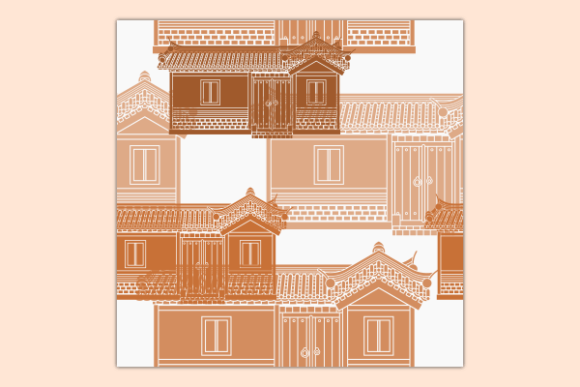
Wide Traditional Korean Hanok Pattern for Creative and Commercial Use
The Wide Traditional Korean Hanok Pattern is a versatile and culturally rich design that captures the essence of Korea’s architectural heritage. This seamless pattern features an editable SVG vector illustration of a wide, flat, monochrome-style traditional Hanok house, making it ideal for a variety of creative and commercial applications. Whether you're designing fabric prints, invitations, merchandise, or cultural-themed cards, this pattern brings authenticity and elegance to your work.
Real-World Applications of the Hanok Pattern
This design isn't just visually appealing—it's also highly functional in real-world contexts. Here are some practical scenarios where the Wide Traditional Korean Hanok Pattern can be used effectively:
- Fabric Design: The pattern works beautifully as a background for textiles. It can be printed on clothing, home décor items like curtains and tablecloths, or even custom-made cushions and wall hangings. Its seamless nature ensures continuity across any surface without disrupting the visual harmony.
- Event Invitations: For weddings, birthdays, or cultural festivals, using this Hanok pattern adds a unique touch. It's especially popular among those planning traditional Korean events, such as Jeju Island-inspired ceremonies or hanbok-themed celebrations.
- Merchandise Graphics: Businesses in the fashion or souvenir industry often incorporate Hanok patterns into their products. T-shirts, tote bags, mugs, and phone cases featuring this design resonate well with tourists and culture enthusiasts alike.
- Decorative Cards: From greeting cards to business cards, the pattern offers a subtle yet meaningful way to integrate Korean tradition. It's perfect for artists, designers, and small businesses aiming to highlight their connection to Korean heritage.
- Interior Design Elements: Used as wallpaper or decorative panels, the Hanok pattern introduces a touch of oriental history into modern spaces. It complements minimalist and traditional interiors equally well.
Who Can Benefit from Using the Hanok Pattern?
Several types of users find value in this pattern, depending on their needs and goals:
- Graphic Designers: Professionals who want to add cultural elements to their designs will appreciate the clean lines and adaptability of the Wide Traditional Korean Hanok Pattern. It's easy to modify and scale for different projects.
- Entrepreneurs in the Fashion Industry: Those looking to launch a line of culturally inspired apparel or accessories can use the pattern as a base for printing. It helps create a cohesive brand image rooted in Korean tradition.
- Wedding Planners and Event Coordinators: When organizing special events with a Korean twist, the Hanok pattern serves as a subtle yet impactful backdrop. It enhances the ambiance while staying true to the event's theme.
- Artists and Crafters: DIY creators enjoy using the pattern in handcrafted goods. It's ideal for scrapbooking, handmade cards, or embroidered items that celebrate Korean culture.
- Marketing Agencies: Companies promoting Korean cultural events, tourism, or products benefit from using this pattern in promotional materials. It reinforces the message of tradition and authenticity.
How to Work with the Wide Traditional Korean Hanok Pattern
To get the most out of the Wide Traditional Korean Hanok Pattern, you'll need the right tools and approach. While the pattern comes in various file formats like EPS, PDF, and high-resolution PNG, it's best edited using Inkscape software, which is free and open-source. This allows for customization without losing quality.
Here's how different users might approach working with the pattern:
- Customizing Colors: Though the original pattern is in monochrome, Inkscape makes it easy to change colors to match branding or seasonal themes. You could transform it into pastel tones for spring collections or deep shades for winter promotions.
- Resizing for Specific Uses: If you're preparing the pattern for a large banner versus a small sticker, Inkscape lets you scale it accurately. Always ensure the resolution remains high enough for print or digital display.
- Combining with Other Elements: Designers often layer the Hanok pattern beneath text, logos, or other illustrations. Because it's flat and minimal, it doesn’t overpower the main content but instead supports it aesthetically.
- Creating Seamless Repeats: Since the pattern is designed to repeat seamlessly, you can tile it across surfaces without visible seams. This is particularly useful for wrapping paper, packaging, or flooring graphics.
Considerations Before Choosing the Hanok Pattern
Before incorporating the Wide Traditional Korean Hanok Pattern into your project, consider these key points:
- Cultural Sensitivity: Ensure the pattern aligns with the intent of your design. Using it respectfully and contextually is essential when representing Korean heritage.
- Project Requirements: Different uses demand different resolutions and formats. Confirm whether you need vector-based files (like SVG or EPS) for scalability or raster images (PNG) for web or print media.
- Software Compatibility: While Inkscape is recommended for editing, check if your preferred design tool supports SVG files. Most professional graphic design platforms do, but always verify before purchasing.
- Printing Medium: Some fabrics or materials may require specific color profiles or file specifications. Test the pattern on a sample before mass production to avoid surprises.
- Design Intent: Think about how the pattern fits into your overall aesthetic. Will it serve as the focal point or a supporting element? Adjust its placement and opacity accordingly.
Strengths and Limitations of the Hanok Pattern
Understanding both the strengths and potential limitations of the Wide Traditional Korean Hanok Pattern can help you decide if it's the right fit for your project.
Strengths
- Seamless Repetition: The pattern is designed to repeat without visible edges, making it suitable for tiling on any surface.
- High Customizability: Being an editable SVG means you can tweak every detail—color, size, layout—to suit your needs.
- Monochrome Versatility: Its black-and-white style blends effortlessly with both vibrant and muted color schemes.
- Rich Cultural Symbolism: The Hanok design evokes a sense of history and tradition, adding depth and meaning to your creations.
- Multiple File Formats: Receiving the pattern in SVG, EPS, PDF, and PNG gives you flexibility in usage across digital and print platforms.
Potential Limitations
- Limited Color Options by Default: The pattern starts in monochrome, so additional effort may be required if you need a more colorful version.
- Requires Some Technical Skill: Editing SVG files demands basic knowledge of vector software like Inkscape. Beginners may need to spend time learning the interface or seek tutorials online.
- May Not Suit All Themes: While the Hanok pattern is elegant, it might not blend well with overly modern or abstract designs. Consider the overall theme before applying it.
Scenarios Where the Hanok Pattern Shines
Let’s look at some industries and situations where the Hanok pattern proves especially valuable:
- Korean Cuisine Restaurants: Use the pattern on napkins, menus, or tableware to reinforce the restaurant’s cultural identity and provide a consistent visual experience.
- Educational Institutions: Schools and universities offering Korean language or culture courses can use the pattern in promotional posters, certificates, or classroom decorations.
- Travel and Tourism Brochures: Highlighting the Hanok architecture through the pattern in brochures or websites can evoke a sense of place and tradition for potential visitors.
- Home Decor Stores: Merchants selling traditional or ethnic home goods can feature the Hanok pattern on pillows, curtains, or decorative tiles to attract buyers interested in Asian aesthetics.
- Print-on-Demand Services: Print shops and online stores offering customizable products can include the Hanok pattern as one of many options, catering to niche markets seeking cultural motifs.
Practical Tips for Application
When applying the Wide Traditional Korean Hanok Pattern to your own projects, here are some tips to keep in mind:
- Layer It Wisely: Place the pattern behind text or images to avoid clutter. Use transparency settings to make sure it complements rather than competes with other design elements.
- Test on Multiple Surfaces: Try printing the pattern on different materials to see how it looks. A fabric print may appear differently than a glossy cardstock design.
- Stay Consistent with Branding: If you’re using the pattern for branding purposes, maintain consistency in color and layout across all materials to strengthen recognition.
- Use as a Background Only: Avoid placing important information directly over the Hanok pattern unless necessary. Let the pattern enhance the design rather than distract from it.
- Optimize for Web and Print: Convert the SVG to PNG for web use, ensuring fast loading times. For print, stick to vector formats to preserve sharpness and clarity.
Why Choose the Hanok Pattern for Your Next Project?
The Wide Traditional Korean Hanok Pattern is more than just a design—it's a bridge between modern creativity and cultural storytelling. It allows you to bring the beauty of Korean architecture into everyday objects, turning simple items into meaningful expressions of heritage.
For example, imagine a boutique hotel in Busan using this pattern as part of its interior design. Guests would instantly feel immersed in the local culture without overwhelming them with traditional symbols. Or think of a designer creating a collection of eco-friendly stationery; the Hanok pattern adds a timeless charm that appeals to environmentally conscious consumers who also value cultural connections.
Another advantage is the ZIP file that accompanies the pattern. Inside, you’ll find multiple versions of the design, including EPS, PDF, and high-res PNG. These formats give you the freedom to choose the most appropriate one for each application, whether it's screen printing, embroidery, or digital publishing.
Final Thoughts on Implementation
While the Wide Traditional Korean Hanok Pattern is powerful and adaptable, success depends on thoughtful implementation. Take the time to understand how it interacts with your chosen medium and audience. By doing so, you'll ensure the pattern enhances your design rather than detracts from it.
With the right tools and a clear vision, this pattern becomes a valuable asset in your creative toolkit. It's not just about aesthetics—it's about telling a story, honoring tradition, and connecting with people who appreciate the richness of Korean culture.