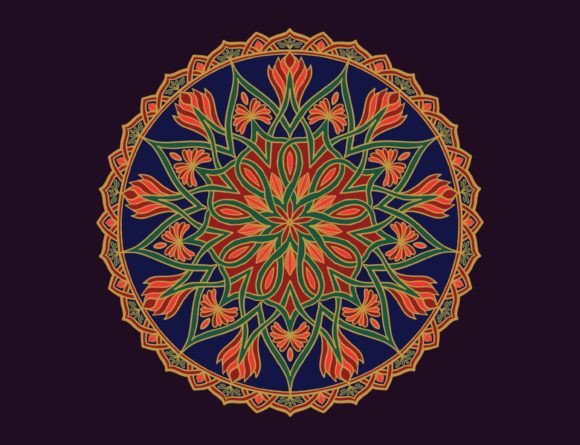
Colorful Mandala Flower Pattern: A Strategic Design Element for Creative and Business Applications
The Colorful Mandala Flower Pattern has emerged as a powerful visual motif that blends the intricate beauty of mandalas with the organic form of floral designs. Rooted in spiritual symbolism and artistic tradition, this pattern offers more than just aesthetic appeal—it serves as a versatile tool across multiple industries, from branding and publishing to personal expression like henna art or tattoos. When used thoughtfully, it can enhance emotional resonance, improve user engagement, and support strategic goals in both creative and commercial contexts.
Understanding the Colorful Mandala Flower Pattern
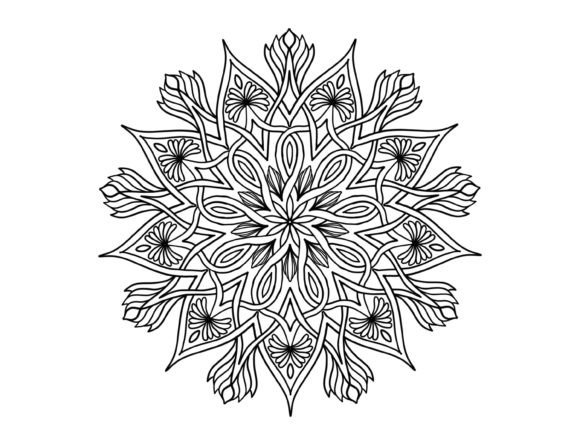
A mandala, in its traditional sense, is a symbolic representation of the universe in many Eastern cultures, particularly in Hinduism and Buddhism. The word itself means “circle” in Sanskrit, signifying wholeness and unity. When combined with floral elements, the Colorful Mandala Flower Pattern becomes a rich tapestry of symmetry, repetition, and natural motifs arranged within circular forms. These patterns often feature vibrant hues, layered petals, and delicate details that evoke calm, creativity, and cultural depth.
This design element is typically illustrated in high-resolution formats such as JPG at 4000x4000 pixels, 300dpi or PNG with transparent backgrounds, making it suitable for print and digital applications alike. Its adaptability allows it to be isolated on black or white backgrounds, enhancing contrast and visual impact depending on the intended use.
Strategic Use in Branding and Marketing
In the world of branding and marketing, the Colorful Mandala Flower Pattern can serve as a unique identifier for products or services that emphasize mindfulness, nature, wellness, or artisanal quality. For example, a yoga studio might incorporate this pattern into their logo or website background to visually communicate peace and holistic living.
Marketers should consider how the pattern aligns with their brand’s identity. If your audience values authenticity and spiritual connection, using this motif can help establish trust and familiarity. However, if your brand is more minimalist or tech-oriented, overuse may dilute your message. Always ensure that the pattern complements—not competes with—your core messaging and visuals.
Practical Tip: Test the pattern in low-contrast settings first. A full-color mandala on a black background works well for posters and social media, but when used in packaging or product design, consider how it interacts with other brand elements like typography and color schemes.
Creative Applications in Publishing and Coloring Books
Coloring books have seen a resurgence in popularity, especially among adults seeking relaxation and creative outlets. The Colorful Mandala Flower Pattern is a perfect fit for these publications due to its intricate yet structured design. It allows users to engage deeply while also providing a sense of accomplishment upon completion.
For publishers and educators, including this pattern in resources related to mindfulness, art therapy, or cultural studies can add educational value. It's not just about coloring—it's about exploring symmetry, learning about Eastern traditions, and understanding the therapeutic benefits of repetitive, meditative patterns.
Planning Insight: When designing a coloring book, provide variations of the Colorful Mandala Flower Pattern in different levels of complexity. This caters to both beginners and experienced artists, increasing the product’s reach and usability.
Enhancing Productivity and Creativity in Visual Design
Designers working in illustration, web development, or graphic arts can leverage the Colorful Mandala Flower Pattern to create engaging layouts and backgrounds. Its symmetrical structure makes it ideal for creating balance in compositions, while the floral aspect adds a touch of nature and softness to digital interfaces.
Use the pattern to highlight sections of a website, such as wellness content or creative portfolios. Its presence can subtly guide users’ attention without overwhelming them. Additionally, because it is often available in PNG format with a transparent background, it integrates seamlessly into layered designs and overlays.
Example: A productivity app focused on meditation and focus could use the Colorful Mandala Flower Pattern as a background for guided sessions or progress trackers. The imagery reinforces the app’s purpose through visual harmony and detail.
Considerations for Cultural Sensitivity and Authenticity
Mandalas are deeply rooted in religious and cultural practices, so it’s essential to approach their use with respect. While the Colorful Mandala Flower Pattern is an adaptation for modern design, its origins shouldn’t be ignored. Misuse or commercialization without acknowledgment can lead to accusations of cultural appropriation.
Creators should research the meaning behind specific symbols and avoid altering sacred elements inappropriately. Instead, treat the pattern as an artistic interpretation that honors its roots while serving new audiences. Including brief explanations or credits in your materials can further reinforce this respect and build credibility with discerning customers.
Operational Benefits for Small Businesses and Entrepreneurs
Small business owners and entrepreneurs can benefit from the Colorful Mandala Flower Pattern by using it to differentiate their offerings. Whether you're selling greeting cards, phone cases, or home decor, a distinctive pattern can become a signature part of your product line.
Because these illustrations are often sold as stock images or templates (e.g., in JPG or PNG format), they can be integrated quickly into various projects. Their high resolution ensures clarity in print, which is important for physical goods like notebooks, mugs, or apparel. In e-commerce, consistent use of the pattern across product listings can boost brand recognition and customer loyalty.
Decision-Making Guidance: Before purchasing or licensing a Colorful Mandala Flower Pattern, evaluate whether it supports your brand narrative and appeals to your target demographic. Ask yourself: Does this pattern reflect our values? Will it resonate with our audience?
When to Avoid Using the Mandala Flower Pattern
While the Colorful Mandala Flower Pattern is highly adaptable, it isn't always appropriate. In professional environments where minimalism is key—such as corporate presentations or financial reports—the pattern may seem out of place. Similarly, using it randomly without context can confuse users or reduce the effectiveness of your design.
Another risk arises when the pattern is used too frequently. Overexposure can diminish its impact, leading to visual fatigue. Balance is crucial. Consider pairing it with neutral tones or simpler geometric shapes to maintain elegance and readability.
Key Takeaway: Reserve the Colorful Mandala Flower Pattern for moments where it enhances the experience rather than distracts from it. Let it serve a clear function in your communication strategy.
Long-Term Value in Content Creation and Personal Projects
Bloggers and content creators can use the Colorful Mandala Flower Pattern as a recurring visual theme in blog headers, Instagram posts, or YouTube thumbnails. Its visual richness can increase click-through rates and viewer retention, especially in niches like spirituality, wellness, or DIY crafts.
Freelancers and small agencies can also include this pattern in their portfolio as a sample of culturally inspired design work. It demonstrates an ability to blend tradition with modern aesthetics, appealing to clients who seek deeper meaning in their branding efforts.
Strategic Observation: As trends evolve, the Colorful Mandala Flower Pattern remains timeless. Unlike fleeting fads, its roots in ancient symbolism give it lasting relevance, making it a smart investment for long-term content planning.
How to Integrate the Pattern Thoughtfully
- Define Your Purpose: Determine whether the pattern will serve as a decorative accent, a thematic centerpiece, or a functional element (like a background or border).
- Choose the Right Format: Use JPG for print and PNG for digital transparency. Ensure resolution meets project requirements—4000x4000 pixels at 300dpi is ideal for high-quality outputs.
- Test Across Platforms: See how the pattern performs on websites, mobile apps, and printed materials. Adjust colors or layering based on feedback and performance metrics.
- Stay Consistent: If the pattern is part of your brand identity, apply it consistently across all touchpoints to strengthen recognition and trust.
Risks of Random Use and How to Mitigate Them
Using the Colorful Mandala Flower Pattern without clear intent can lead to several issues. First, it may clash with existing design systems, reducing overall cohesion. Second, it could be perceived as superficial if not grounded in meaningful context—especially in industries where authenticity matters.
To mitigate these risks, align the pattern with your brand story and audience expectations. Provide background information on its inspiration or use it as part of a themed campaign. Educate your team and stakeholders on why the pattern was chosen, ensuring everyone understands its role beyond surface-level decoration.
Realistic Use Cases for Maximum Impact
- Event Branding: Use the pattern in invitations, banners, or promotional materials for wellness retreats, art exhibitions, or cultural festivals.
- Product Packaging: Apply it to eco-friendly or handmade product lines to signal craftsmanship and mindfulness.
- Tattoo and Henna Designs: Offer the pattern as a customizable option for body art, emphasizing its cultural and artistic significance.
- Interior Design: Incorporate it into wall art, textiles, or stationery for spaces that aim to inspire calm and creativity.
- Learning Resources: Include it in educational materials about art history, meditation techniques, or cultural studies to enrich the learning experience.
Final Thoughts on Intentional Application
The Colorful Mandala Flower Pattern is more than a decorative choice—it’s a strategic design decision that can influence perception, behavior, and engagement. When applied with intention, it can elevate branding, support creative workflows, and foster a deeper emotional connection with audiences.
As with any design element, success depends on thoughtful integration and alignment with broader goals. By considering cultural context, technical specifications, and audience preferences, professionals and hobbyists alike can harness the power of this pattern to achieve better outcomes and deliver more meaningful experiences.