Exploring the Beauty and Versatility of Mandala Flower Drawing Outline Patterns
Mandala flower drawing outline patterns have become a popular choice for artists, designers, and hobbyists looking to incorporate intricate yet elegant designs into their creative projects. These patterns are characterized by their symmetrical structure, floral motifs, and clean lines that make them ideal for various applications such as coloring book elements, decorative illustrations, henna art, tattoos, and more. With file formats like high-resolution JPEGs (4000x4000 pixels, 300dpi) and PNGs with transparent backgrounds, these digital assets offer unmatched flexibility and quality for both personal and professional use.
The Essence of Mandala Floral Motif Outline Patterns
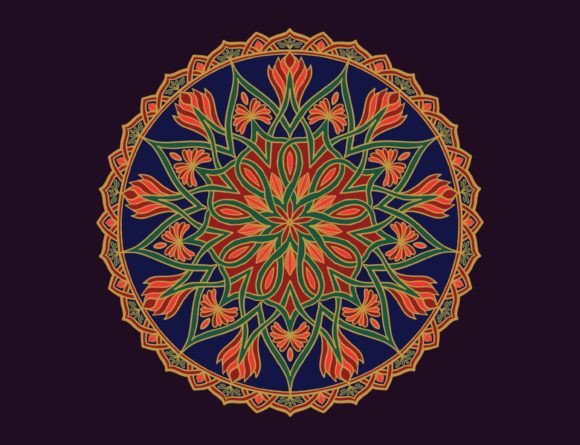
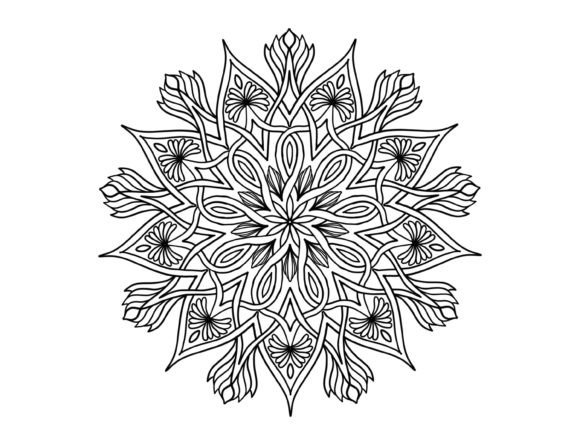
A mandala is traditionally a spiritual and ritual symbol in Hinduism and Buddhism, representing the universe and inner harmony. When combined with floral motifs, it transforms into a visually appealing design element that can be used across different mediums. The mandala floral motif outline pattern typically features a central shape or flower surrounded by layers of repeating, geometric, or botanical elements arranged symmetrically around it. This creates a sense of balance and rhythm, which is visually pleasing and often calming to the viewer.
These outlines are usually devoid of color, making them perfect for customization. Whether you're an artist preparing a coloring page or a designer working on a logo, the clean lines of the mandala flower drawing provide a foundation for your creativity. The repetitive nature of the design also makes it easier to replicate and scale without losing visual integrity.
Design Characteristics and Appeal
- Symmetry: One of the most defining features of a mandala flower drawing is its radial symmetry. Each petal and line flows outward from a central point, creating a balanced composition.
- Floral Elements: Unlike traditional geometric mandalas, the floral variant incorporates natural shapes like leaves, blossoms, vines, and petals to evoke a sense of organic beauty.
- Outline Focus: The emphasis on outline allows for easy adaptation in different artistic styles—from minimalist black-and-white sketches to vibrant, filled-in masterpieces.
- Isolated Background: Many mandala flower drawings are provided isolated on white or transparent backgrounds, enhancing their usability in print and digital media.
Applications in Art and Design
The adaptability of mandala flower drawing outline patterns makes them suitable for a wide range of uses. Below are some common applications where they shine:
Coloring Book Elements
With the rise in popularity of adult coloring books, mandala floral outlines have found a special place in this niche. Their complexity offers hours of engaging activity, while their simplicity in line work ensures they’re accessible to all skill levels. A mandala flower drawing outline pattern can serve as a single-page masterpiece or be part of a larger collection of themed illustrations.
Decorative Illustrations
In home décor and interior design, mandala patterns add a touch of elegance and cultural richness. From wall art to textiles, the floral motif provides a soft alternative to the sharpness of geometric mandalas. Designers often use the illustration mandala flower drawing shape as a focal point in patterns for wallpaper, fabric prints, and stationery, leveraging the high-resolution JPG format for crisp printing and the PNG version for layered compositions in digital projects.
Henna and Tattoo Art
For those interested in body art, mandala flower outlines are a staple in henna and tattoo designs. The clear, flowing lines of a mandala floral motif make it easy to trace and adapt for skin application. Artists often modify the base pattern to include personalized symbols or integrate it with other styles like tribal or watercolor. The availability of transparent background PNG files ensures seamless integration into digital mockups or client consultations.
Business and Branding Use Cases
Many businesses utilize mandala flower drawing patterns in branding materials. The serene and harmonious aesthetic aligns well with wellness, yoga, and mindfulness industries. For instance, a spa might use a mandala floral motif in promotional brochures, while a greeting card company could feature it on holiday cards. The high-resolution JPG files at 4000x4000 pixels and 300dpi are especially useful for commercial printing needs, ensuring clarity and detail in every piece.
Practical Considerations for Users
While the mandala flower drawing outline pattern is versatile, users should consider several factors before selecting or using one:
- Resolution Requirements: If you plan to print the design, ensure you choose a file that supports high-quality output—like the 4000x4000 pixel JPG at 300dpi. Lower resolutions may result in blurry images when printed large.
- Background Type: Transparent background PNG files are essential if you want to overlay the design onto different textures or colors digitally. White backgrounds are preferable for physical prints or simpler compositions.
- License and Usage Rights: Always verify the licensing terms of the mandala pattern you download. Some files may be free for personal use but require attribution or payment for commercial applications.
- Artistic Adaptability: While the original outline is beautiful, don’t hesitate to modify it. Adding gradients, shading, or color variations can transform the design to better suit your project's theme or audience.
Tools and Techniques for Working with Mandala Outlines
Whether you're an educator teaching students about symmetry or a creator designing for social media, having the right tools can enhance your experience with mandala flower outlines. Digital illustration software like Adobe Illustrator or Procreate allows for easy manipulation of vector-based or rasterized outlines. You can resize, recolor, or even animate the design depending on your needs.
Traditional artists can benefit from tracing the outlines onto paper or canvas using lightboxes or projection tools. This method helps maintain precision while allowing for creative deviations. Educators may find the mandala flower drawing outline pattern useful in teaching concepts like proportion, repetition, and symmetry in art classes.
Real-World Examples and Observations
One notable example of the mandala floral motif in action is its use in eco-friendly wedding invitations. The central flower represents love and growth, while the surrounding patterns symbolize unity and connection. The transparent PNG format allows designers to blend the mandala with watercolor effects or subtle textures for a bespoke look.
In educational settings, teachers have incorporated mandala flower outlines into mindfulness exercises. Students trace or color the patterns to focus their attention and reduce stress. This practical use highlights how the design isn't just for aesthetics—it serves a functional purpose in promoting mental well-being.
Another observation comes from the fashion industry, where mandala floral motifs appear in textile designs and embroidery. High-resolution files ensure the fine details remain intact when translated into fabric. Fashion designers appreciate the ability to scale these patterns for everything from scarves to large banners, thanks to their consistent structure.
Tips for Selecting and Using Mandala Flower Drawings
- Look for patterns with consistent line weights to ensure ease of use in both coloring and printing.
- Choose files with transparent backgrounds if you plan to layer the design over photos or other graphics.
- Experiment with different color palettes to match brand themes or seasonal events.
- Consider the aspect ratio of the file to ensure compatibility with your intended medium or platform.
Emerging Trends and Creative Possibilities
As digital art continues to evolve, mandala flower drawing outline patterns are being integrated into modern trends like NFT art and augmented reality experiences. The structured yet fluid nature of the design lends itself well to interactive platforms, where users can manipulate or animate the pattern in real-time.
Moreover, there's a growing interest in combining mandala motifs with other artistic traditions. For example, some illustrators merge mandala flower outlines with Japanese ink wash techniques or Scandinavian minimalism, resulting in unique hybrid styles that appeal to diverse audiences.
Customization and Collaboration Opportunities
Because of their open-ended nature, mandala flower outlines are excellent for collaborative projects. In group art sessions, each participant can contribute to different sections of the same pattern, fostering creativity and teamwork. Similarly, in online communities, artists share their versions of the mandala flower drawing, leading to a rich exchange of ideas and styles.
Conclusion
The mandala flower drawing outline pattern is more than just an artistic form—it’s a bridge between tradition and innovation, offering endless possibilities for expression. Its combination of symmetry, floral elements, and clean outlines makes it a valuable asset for creators across disciplines. By understanding its characteristics and considering its many uses, professionals and hobbyists alike can unlock new ways to apply this timeless design in their work. Whether you're crafting a simple coloring book page or developing a full-fledged branding campaign, the mandala floral motif stands out as a meaningful and adaptable tool in your creative arsenal.