Flower in Vintage Filigree Style. Decora: A Timeless Decorative Element
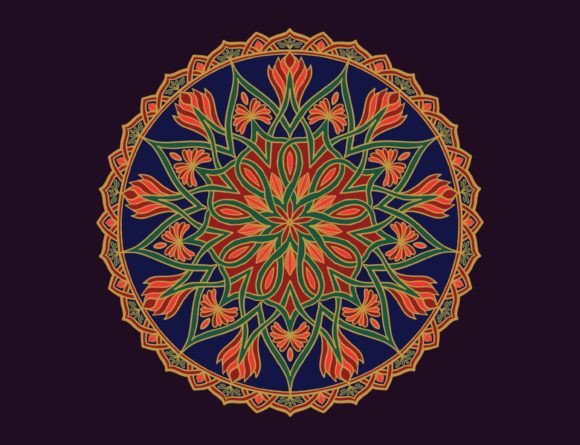
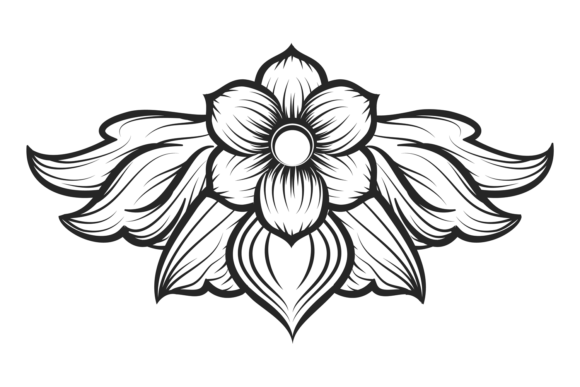
The Flower in Vintage Filigree Style. Decora represents a unique blend of historical artistry and modern design. This decorative element features intricate, delicate patterns reminiscent of 19th-century metalwork, often used to embellish jewelry, textiles, and architectural details. The style is characterized by its fine, lacy lines and symmetrical motifs, which create a sense of elegance and sophistication. When applied to floral designs, it transforms simple blossoms into ornate symbols of beauty and craftsmanship.
What Makes Flower in Vintage Filigree Style. Decora Distinct?
The distinctiveness of Flower in Vintage Filigree Style. Decora lies in its attention to detail and historical inspiration. Unlike contemporary minimalist or abstract floral designs, this style draws from the ornate traditions of Victorian and Art Nouveau periods. The filigree patterns are often hand-drawn or digitally replicated to maintain authenticity, resulting in a design that feels both nostalgic and refined.
One key feature is the use of negative space, where the design relies on open areas to highlight the complexity of the pattern. This technique allows the flower to appear light and airy, even when surrounded by elaborate detailing. The result is a piece that can serve as a focal point in interior design, stationery, or digital media without overwhelming the surrounding elements.
Comparing Vintage Filigree Flowers with Other Decorative Styles
When evaluating decorative options, the Flower in Vintage Filigree Style. Decora stands out for its historical depth and visual richness. Compared to more modern styles like geometric patterns or abstract art, it offers a different kind of appeal—one rooted in tradition rather than innovation. However, this does not mean it is less versatile. In fact, its adaptability makes it suitable for a wide range of applications.
For example, compared to floral designs in watercolor or ink, vintage filigree flowers often have a more structured and defined appearance. They may lack the softness of organic illustrations but gain in precision and intricacy. Similarly, when contrasted with 3D rendered flowers, they offer a flat, two-dimensional aesthetic that can be more effective in certain contexts, such as print materials or digital backgrounds.
Another comparison involves traditional vs. digital formats. While the original concept of vintage filigree was created using physical tools like etching and engraving, modern versions are often produced as vector graphics (SVG), raster images (JPG, PNG), or scalable EPS files. These digital formats allow for greater flexibility in size, color, and application, making them accessible for both personal and commercial use.
Strengths and Tradeoffs of Using Flower in Vintage Filigree Style. Decora
One of the primary strengths of the Flower in Vintage Filigree Style. Decora is its ability to convey a sense of timeless beauty. It can elevate any project by adding an air of elegance and refinement. This makes it particularly appealing for wedding invitations, greeting cards, and home decor items where a touch of class is desired.
However, there are tradeoffs to consider. The intricate nature of the design can sometimes make it less effective in high-contrast or busy environments. For instance, if placed against a dark background, the fine lines might become difficult to distinguish, reducing its visual impact. Additionally, the style may not resonate with audiences who prefer more modern or avant-garde aesthetics.
Another consideration is the level of detail required to produce high-quality versions. While digital tools have made it easier to replicate vintage filigree patterns, achieving the same level of authenticity as hand-crafted originals can be challenging. This may affect the perceived value of the design, especially in markets where craftsmanship is highly valued.
Best Fit Situations for Flower in Vintage Filigree Style. Decora
The Flower in Vintage Filigree Style. Decora is best suited for projects that benefit from a historical or romantic feel. It works well in vintage-themed events, such as weddings, parties, or exhibitions that celebrate past eras. Its detailed structure also makes it ideal for branding or logo design where a unique, recognizable symbol is needed.
In addition, it is a strong choice for designers looking to add texture and dimension to their work without relying on complex color schemes. Because the design is typically monochromatic or uses limited color palettes, it can easily integrate into various visual compositions. This makes it a practical option for illustrators, graphic designers, and artists seeking a versatile decorative element.
It is also useful in digital content creation, where it can serve as a background, border, or icon. Its availability in multiple file formats—such as EPS, JPG, SVG, and transparent PNG—ensures compatibility across different platforms and software. This flexibility is especially valuable for users who need to adapt the design for web, print, or multimedia purposes.
When to Consider Alternatives to Flower in Vintage Filigree Style. Decora
While the Flower in Vintage Filigree Style. Decora has many advantages, there are situations where other options may be more appropriate. For example, if the goal is to create a bold, eye-catching design, simpler or more stylized floral motifs might be better suited. Similarly, if the focus is on modernity or minimalism, a clean, unadorned flower could provide a more effective visual solution.
Another scenario where alternatives may be preferable is when the target audience has specific preferences. Younger demographics, for instance, may favor contemporary or digital art styles over traditional ones. In such cases, incorporating trends like pop art, neon gradients, or abstract shapes could align more closely with current tastes.
Additionally, for those working within tight deadlines or limited resources, pre-designed elements or stock graphics might offer a faster and more cost-effective solution. While these alternatives may not carry the same level of uniqueness as custom vintage filigree designs, they can still achieve the desired aesthetic with less effort.
Practical Examples and Use Cases
Consider a designer creating a line of handmade greeting cards. Incorporating the Flower in Vintage Filigree Style. Decora could add a distinctive flair that sets the cards apart from mass-produced alternatives. The intricate details would appeal to customers who appreciate artisanal quality and historical references.
On the other hand, a company launching a new line of home décor products might choose a different approach. If the brand aims for a modern, urban vibe, a sleek, geometric floral pattern could better reflect the intended image. In this case, the vintage filigree style might feel out of place or too traditional for the target market.
Another example is a digital artist working on a book cover. The choice of design would depend on the genre and tone of the book. A historical fiction novel might benefit from the elegance of vintage filigree, while a science fiction title could require a more futuristic or abstract style.
Conclusion: Choosing the Right Decorative Element
The Flower in Vintage Filigree Style. Decora offers a unique and elegant option for those seeking a decorative element with historical significance and artistic depth. Its intricate design and versatility make it suitable for a wide range of applications, from personal projects to commercial use. However, it is important to evaluate how well it aligns with the overall vision, audience, and context of the work.
By understanding the strengths, limitations, and potential alternatives, users can make informed decisions about whether this style is the right fit for their needs. Whether choosing to embrace the timelessness of vintage filigree or exploring other creative paths, the key is to select a design that enhances the message and purpose of the project.