Vintage Calligraphic Separator: The Retro El Revival in Modern Design
In an era dominated by sleek, minimalist aesthetics and digital efficiency, a nostalgic trend has begun to resurface—Vintage Calligraphic Separator. This design element, often paired with the iconic Retro El, is capturing the attention of professionals, creators, and entrepreneurs across industries. As we navigate an increasingly fast-paced world, there’s a growing appreciation for the elegance and artistry of the past. Vintage Calligraphic Separator and Retro El are not just decorative flourishes; they represent a shift in how we perceive style, identity, and storytelling in both creative and commercial contexts.
What Is Vintage Calligraphic Separator? Retro El?
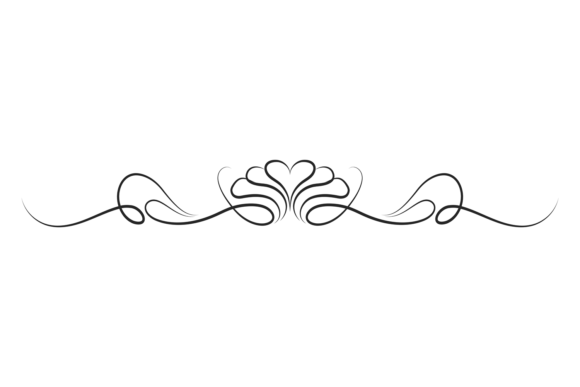
The Vintage Calligraphic Separator is a design motif that features intricate, hand-drawn lines or symbols reminiscent of traditional calligraphy. These separators are often used to divide sections of text, adding a touch of sophistication and visual interest. When paired with the Retro El, which refers to a stylized, vintage-style letter "E," the combination becomes a powerful visual statement.
Retro El, in particular, has become a symbol of retro aesthetics, often seen in typography, branding, and graphic design. Its distinctive curves and bold structure evoke a sense of nostalgia, making it a popular choice for brands looking to convey a sense of timelessness and authenticity.
Why Vintage Calligraphic Separator and Retro El Are Gaining Momentum
The resurgence of Vintage Calligraphic Separator and Retro El can be attributed to several factors. First, there is a growing demand for unique, personalized design elements that stand out in a saturated market. As consumers become more discerning, they seek products and services that reflect individuality and craftsmanship.
Second, the rise of digital platforms has made it easier for designers and creators to access and utilize these elements. High-quality formats such as EPS, JPG, SVG, and transparent PNG allow for seamless integration into various projects, from website headers to print materials. This accessibility has contributed to the widespread adoption of these design tools.
Moreover, the current cultural climate emphasizes authenticity and emotional connection. Vintage Calligraphic Separator and Retro El offer a way to infuse a sense of history and character into modern designs, creating a bridge between the past and present.
How Vintage Calligraphic Separator Fits Into Broader Trends
The appeal of Vintage Calligraphic Separator and Retro El aligns with broader trends in design, marketing, and consumer behavior. In the realm of branding, for instance, companies are increasingly turning to retro-inspired visuals to differentiate themselves and build a loyal following. This trend is particularly evident in the fashion, food, and lifestyle industries, where nostalgia plays a significant role in consumer decision-making.
Additionally, the concept of “slow design” has gained traction, emphasizing quality, intentionality, and craftsmanship over mass production. Vintage Calligraphic Separator and Retro El embody this philosophy, offering a tactile and artistic alternative to generic, cookie-cutter design solutions.
In the tech industry, where minimalism often dominates, the inclusion of these elements can create a striking contrast that captures attention and conveys a brand’s personality. Whether it’s a website header, a logo, or a social media post, the use of Vintage Calligraphic Separator and Retro El can elevate the overall aesthetic and leave a lasting impression.
Practical Applications and Examples
One of the most compelling aspects of Vintage Calligraphic Separator and Retro El is their versatility. They can be used in a variety of contexts, from editorial layouts to product packaging, each application highlighting their unique qualities.
For example, a boutique coffee shop might incorporate a Vintage Calligraphic Separator between menu sections to create a warm, inviting atmosphere. The Retro El could be used in the shop’s logo, reinforcing its commitment to quality and tradition. Similarly, a book publisher might use these elements to add a touch of elegance to their cover designs, appealing to readers who appreciate classic aesthetics.
Another practical use is in the realm of digital marketing. Email newsletters, landing pages, and social media content can benefit from the visual interest provided by these design elements. By incorporating them strategically, marketers can enhance the user experience and increase engagement.
The Changing Needs and Preferences Driving This Trend
The increasing popularity of Vintage Calligraphic Separator and Retro El reflects a shift in consumer preferences. Today’s audiences are more visually literate and value experiences that resonate on an emotional level. They are drawn to designs that tell a story, evoke memories, and reflect a deeper sense of identity.
This change in expectations is also influencing business strategies. Companies are recognizing that design is no longer just about functionality—it’s about creating a connection with their audience. By leveraging elements like Vintage Calligraphic Separator and Retro El, businesses can differentiate themselves and build a stronger brand presence.
Furthermore, the rise of remote work and digital collaboration has created a need for more expressive and engaging communication tools. Design elements that add personality and visual interest can help teams stand out and communicate more effectively in a virtual environment.
Connecting to Larger Developments
The revival of Vintage Calligraphic Separator and Retro El is part of a larger movement toward reimagining the past through a modern lens. This trend is not limited to design but extends to other areas such as fashion, music, and technology. For instance, the resurgence of vinyl records and analog photography highlights a similar desire for authenticity and craftsmanship.
As we continue to evolve in a rapidly changing world, the ability to blend old and new becomes increasingly valuable. Vintage Calligraphic Separator and Retro El serve as a reminder that innovation does not have to come at the expense of tradition. Instead, they offer a way to honor the past while embracing the future.
Ultimately, the relevance of these design elements lies in their ability to connect people with their values, histories, and aspirations. Whether used in a professional setting or a personal project, they provide a meaningful way to express creativity and individuality.
Conclusion
Vintage Calligraphic Separator and Retro El are more than just design trends—they are reflections of a broader cultural shift toward authenticity, craftsmanship, and emotional resonance. As professionals and creators continue to seek ways to stand out in a competitive landscape, these elements offer a powerful tool for expression and differentiation.
By understanding their significance and exploring their applications, individuals and businesses can harness the potential of Vintage Calligraphic Separator and Retro El to enhance their work and connect with their audiences in meaningful ways. In a world that often prioritizes speed and efficiency, these design choices remind us of the enduring power of beauty, history, and artistry.